Pterygium Surgery
Dr Nor Diyana provides pterygium assessment and surgery at Pantai Hospital Klang, Selangor. Treatment focuses on removing the growth when indicated, relieving persistent irritation and addressing its effects on the cornea and vision.
When Should You Consider Pterygium Surgery?
What Happens During Surgery?
During pterygium surgery, the abnormal tissue is carefully removed from the cornea and the white of the eye.
The exposed area is then covered with a thin graft of healthy conjunctival tissue, usually taken from beneath the upper eyelid of the same eye. This technique, known as a conjunctival autograft, supports healing and helps reduce the risk of recurrence.
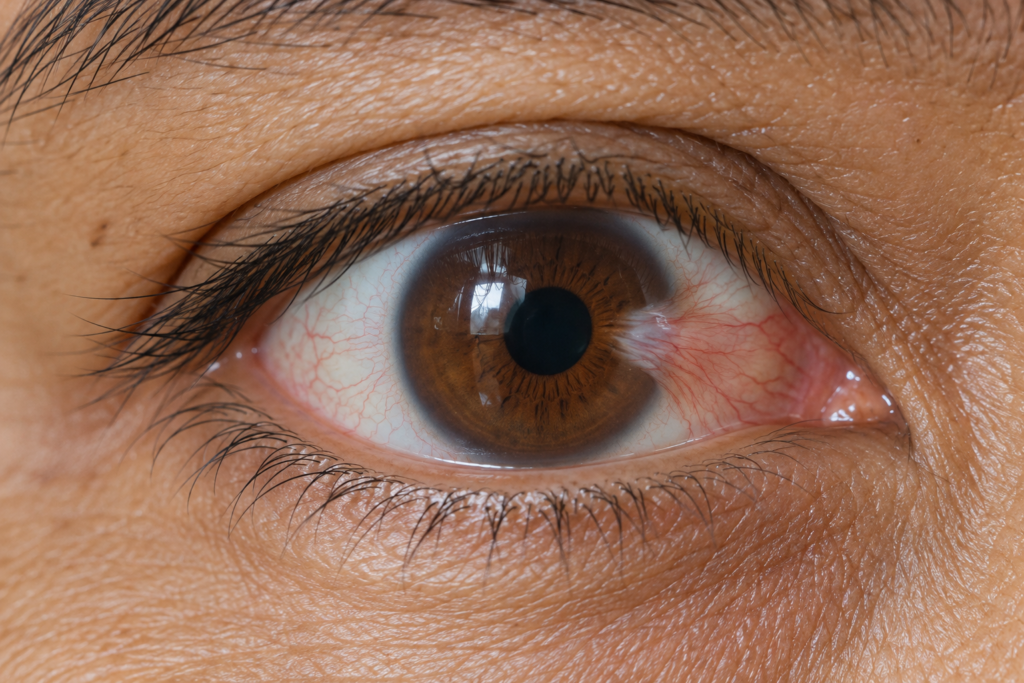
A pterygium is a fleshy growth that extends from the white of the eye onto the cornea. Surgery may be recommended if it continues to grow, causes persistent irritation despite eye drops, or affects vision by changing the shape of the cornea.
Not every pterygium requires surgery. Dr Nor Diyana will assess its size, progression and effect on your eye before discussing the most appropriate treatment.
Please bring a list of your medications and inform the team about any allergies or previous eye procedures. Follow the instructions provided regarding medications and preparation for surgery.
Arrange someone to accompany you and drive you home. Dr Nor Diyana will explain the procedure, expected recovery and possible risks, including recurrence, before surgery.
Redness, watering and a gritty or sore sensation are common during the early recovery period. These usually improve gradually as the eye heals. Use your prescribed eye drops as directed and avoid rubbing your eye.
Protect your eyes from sunlight, dust and wind with UV-protective sunglasses and follow the advice given on returning to your usual activities.
A pterygium can return after surgery, even with a conjunctival autograft. Seek prompt eye care if you experience worsening pain, increasing redness or reduced vision.